
Seminars
Science Fiction or Tomorrow? When Humanoid Robots Will Take Over Our Chores
Saturday, 12:00 – 13:00
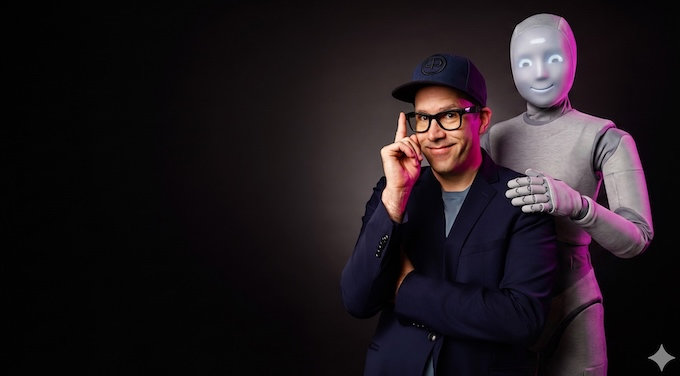
The hardware bottleneck is resolved, and the AI is ready: humanoid robots are now acquiring household skills. Are we on the verge of the next big tech hype? Thomas Riedel showcases the most promising models globally and estimates the ETA for when your personal robot butler might move in.
Figure, Neo, Memo – these are the candidates applying to fold your laundry, clear the dishes, and get the door for your guests. These are the latest humanoid platforms. No vaporware, no rough prototypes, and definitely no AI slop. They are real, physical robots that will ship in the near future for the price of a used compact car.
This leap was unlocked by a massive upgrade in electric motors and actuators. The hardware problem is essentially solved. On the software side, Large Language Models are tackling one of robotics’ hardest challenges: how to teach an agent to interact with its environment without smashing the dishes? What used to require years of hardcoding now takes weeks of rapid skill acquisition. The race is on to see which startup pushes the first major breakthrough to production. Are we about to enter the next hype cycle?
Tech journalist Thomas Riedel has examined the most promising startups worldwide that are working at full speed on domestic humanoids. He delivers a status report, puts the roadmap into perspective, and points out the potential risks.
New ways of C64 Dev by Hamrath & Art of Coding - UNESCO update
Saturday, 13:00 – 14:00 — Split Slot
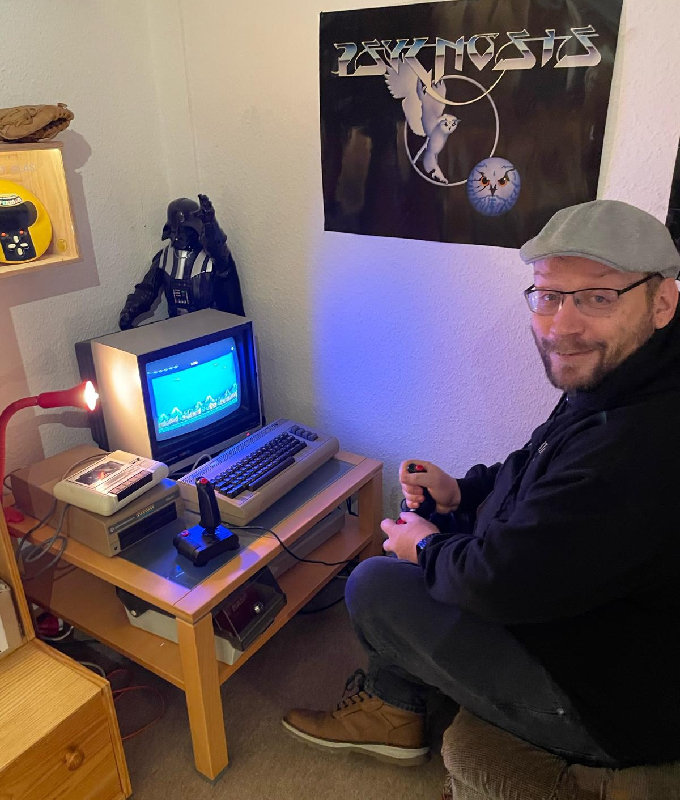
C64 Dev Machine & Visual Assembler
Hamrath
The Commodore 64 is getting a new generation of development tools inspired by visual scripting systems like Unreal Engine’s Blueprint or Unity Visual Scripting. These applications replace large parts of handwritten assembly with node- and block-based programming and include tools like sprite or screen editors.
Hamrath introduces two recent projects: C64 Dev Machine and Visual Assembler. He demonstrates how they work and discusses whether visual programming can make C64 development more approachable without sacrificing low-level control.
Demoscene & UNESCO — Status Update
News from the “Demoscene as part of the UNESCO Intangible Cultural Heritage”: “Norway recognizes the demoscene as national UNESCO cultural heritage”, “French Minister of Culture presented French community certificate of recognition as France’s cultural heritage”. What does this mean and what will be the next step to procees with the UNESCO-application?
This session guides you through the current state of the application and what will come next. Afterwards there will be open meetup time to exchange, ask questions, and generally have a good time together.
The Badge Is the Demo
Anne Jan — Badge.Team / Anus — deFEEST
Saturday, 16:00 – 17:00
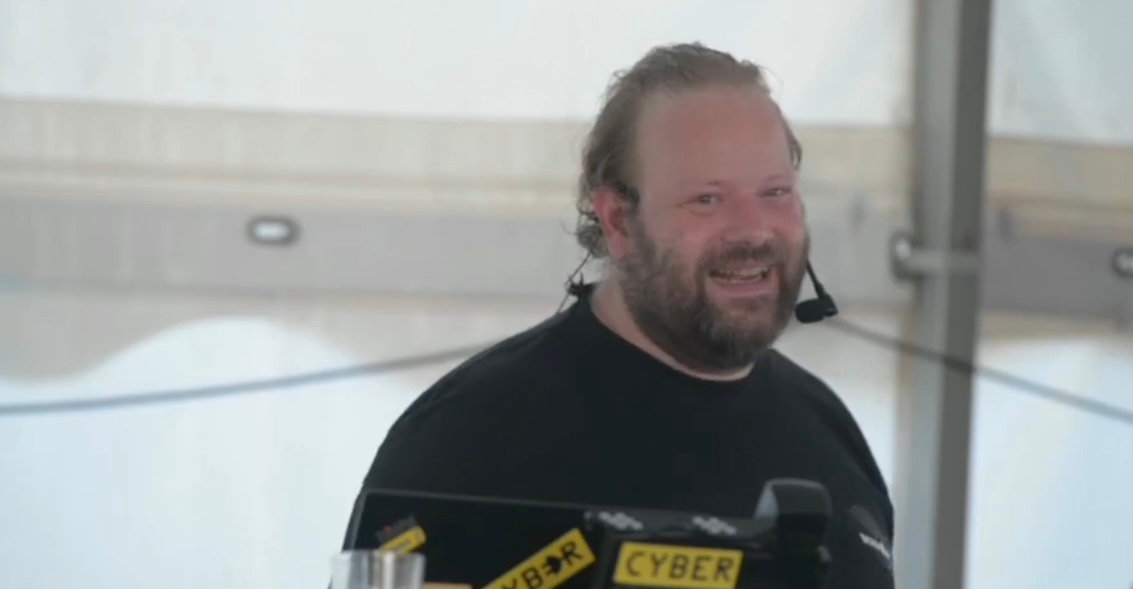
Your next platform might be hanging around your neck …
Badge.Team was born between 2015 and 2017 to create an electronic name-tag badge for SHA2017. That first badge became an e-ink display “gameboy” with capacitive touch buttons and a micro-Python app store — and a wild demo entry at Outline.
Since then, Badge.Team has built a whole family of hardware and software projects, including the MCH2022 badge: a platform with an FPGA, screen, and audio that has already seen actual demo productions. The latest experiments — Tanmatsu and Konsool — are pushing things even further, including e-ink driver optimisations that dramatically outperform the original specs.
This seminar covers ten years of “work”: what badges are, why this is demoscene, the platforms created, some of the productions made for them, and an open question: What would the most awesome demo platform for a future project look like?